
22 Oct, 2026 | Hugo Powell | No Comments
Muscle Soreness or a Sports Injury? How to Recognize the Difference
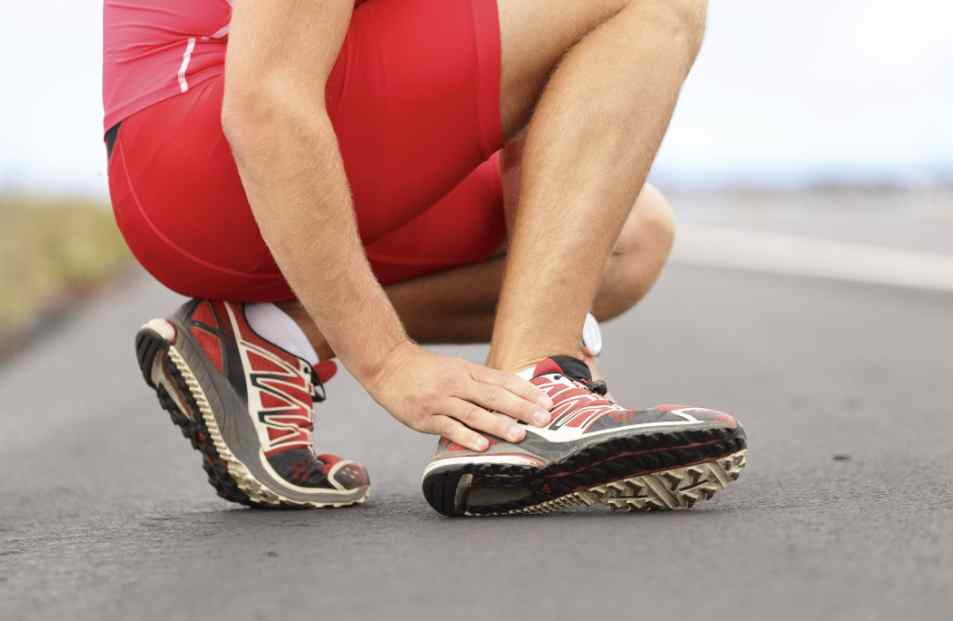
Muscle soreness is common after exercise, especially when you try a new activity or increase your workout intensity. A hard workout can leave your legs, arms, or back feeling stiff for a day or two. However, not every ache is normal soreness. Sometimes, pain is a sign of a muscle strain, joint sprain, or another injury that needs medical attention.
Knowing the difference can help you decide when to rest, when to change your exercise routine, and when to seek professional care. Although symptoms can offer useful clues, an examination may be needed to identify the exact cause.
1. Understand What Causes Muscle Soreness
Delayed onset muscle soreness, commonly called DOMS, often develops after unfamiliar or strenuous physical activity. It may occur after weightlifting, running downhill, or performing exercises that place extra stress on your muscles.
DOMS usually has these features:
- Delayed onset: Discomfort often begins 12 to 24 hours after exercise.
- General muscle tenderness: The affected muscles feel sore when touched or used.
- Temporary stiffness: Movement may feel uncomfortable, especially after resting.
- Gradual improvement: Symptoms generally ease over several days.
For example, if you perform squats after several weeks without leg training, your thighs may feel sore the following morning. This is often a normal response to exercise.
However, severe pain, unusual swelling, or symptoms that continue to worsen should not automatically be blamed on muscle soreness.
2. Recognize the Signs of a Possible Sports Injury
A sports injury may occur suddenly during exercise or develop gradually through repeated stress. Muscle strains involve muscle fibers or tendons, while sprains affect the ligaments that support joints.
Watch for these warning signs:
Sudden or Sharp Pain
Pain that starts during a movement, especially after a twist, fall, collision, or sudden stretch, may indicate an injury.
You might feel a sharp pull in your hamstring while sprinting or experience sudden shoulder pain while lifting a heavy object.
Swelling or Bruising
Swelling and bruising can develop after damage to muscles, ligaments, or other tissues. These symptoms are more concerning when they appear quickly or accompany significant pain.
Reduced Movement or Strength
An injury may make it difficult to bend a joint, raise an arm, walk normally, or put weight on a leg.
Do not force a movement to test whether the injury has improved.
Pain That Does Not Improve
Ordinary post-exercise soreness should gradually improve. Pain that persists, returns whenever you exercise, or interferes with daily activities deserves medical assessment.
3. Compare Common Symptoms
The following table offers general guidance, but symptoms can overlap.
| Symptom | Typical muscle soreness | Possible injury |
| Onset | Often develops hours after exercise | May begin suddenly during activity |
| Pain | Aching and tenderness | May be sharp, localized, or persistent |
| Swelling | Usually limited | May be noticeable |
| Movement | Stiff but generally possible | May be restricted or difficult |
| Recovery | Gradually improves over several days | May persist or worsen without appropriate care |
These patterns are not definitive. A mild injury may resemble ordinary soreness, and some serious conditions may initially have few visible signs.
4. What to Do When Your Muscles Hurt
If the discomfort seems mild and consistent with normal exercise soreness, simple steps may help.
Keep Moving Gently
Light walking or comfortable movement can reduce stiffness. Avoid intense exercise that places heavy demands on the sore muscles until they recover.
Get Enough Rest
Allow time for recovery between demanding workouts. Training the same muscles intensely before they recover may increase discomfort and affect performance.
Drink Enough Water and Eat Balanced Meals
Hydration and adequate nutrition support normal muscle function and recovery. Include protein sources, carbohydrates, fruits, vegetables, and other nutrient-rich foods in your regular diet.
Return to Exercise Gradually
When soreness improves, begin with lower intensity and shorter sessions. Increase the workload gradually rather than immediately returning to your previous training level.
If you suspect an injury, avoid movements that increase the pain. Do not use pain medication simply to mask symptoms and continue strenuous activity.
5. Know When to Seek Medical Care
Some symptoms require prompt attention rather than home treatment.
Arrange a medical assessment if you experience:
- Significant swelling or bruising
- Pain that prevents normal walking or movement
- Repeated pain in the same area during exercise
- Persistent symptoms that are not improving
- Joint instability or difficulty bearing weight
- Numbness, tingling, or unusual weakness
Severe pain, an obvious deformity, or an inability to use a limb after an injury may require urgent evaluation.
Seek emergency medical care if you develop severe muscle pain or swelling with marked weakness or dark, tea-colored urine after intense exercise. These can be signs of rhabdomyolysis, a serious condition involving muscle breakdown that can damage the kidneys.
Chest pain, severe difficulty breathing, or sudden neurological symptoms also require emergency attention.
6. Prevent Common Exercise Injuries
You cannot prevent every injury, but good training habits can reduce avoidable risks.
Warm up before demanding activity. Start with a few minutes of light movement and gradually increase your effort.
Use proper technique. Learn the correct form for unfamiliar exercises. Reduce the weight or intensity if you cannot maintain control.
Increase training gradually. Avoid sudden jumps in distance, duration, frequency, or resistance.
Include recovery days. Muscles and other tissues need time to adapt to exercise.
Wear suitable equipment. Use footwear and protective equipment appropriate for your activity.
Pay attention to recurring pain. Repeated discomfort may indicate that your training load, technique, or recovery routine needs to change.
If you have an existing health condition or are returning to exercise after a long break, discuss suitable activity levels with a qualified healthcare professional.
7. How Primary Care and Sports Medicine Can Help
When pain does not follow the usual pattern of exercise soreness, a healthcare professional can assess your symptoms, medical history, strength, and range of motion. Depending on the findings, you may need further testing, activity changes, rehabilitation, or referral to another specialist.
For example, guidance from Wes Bailey, MD reflects the connection between general health care and non-operative sports medicine, including the assessment and management of muscle strains and joint sprains.
The right treatment depends on the type and severity of the problem. Some injuries improve with activity modification and guided rehabilitation, while others need more specialized care.